Why STEM Education Is Important for the Next Generation
Introduction
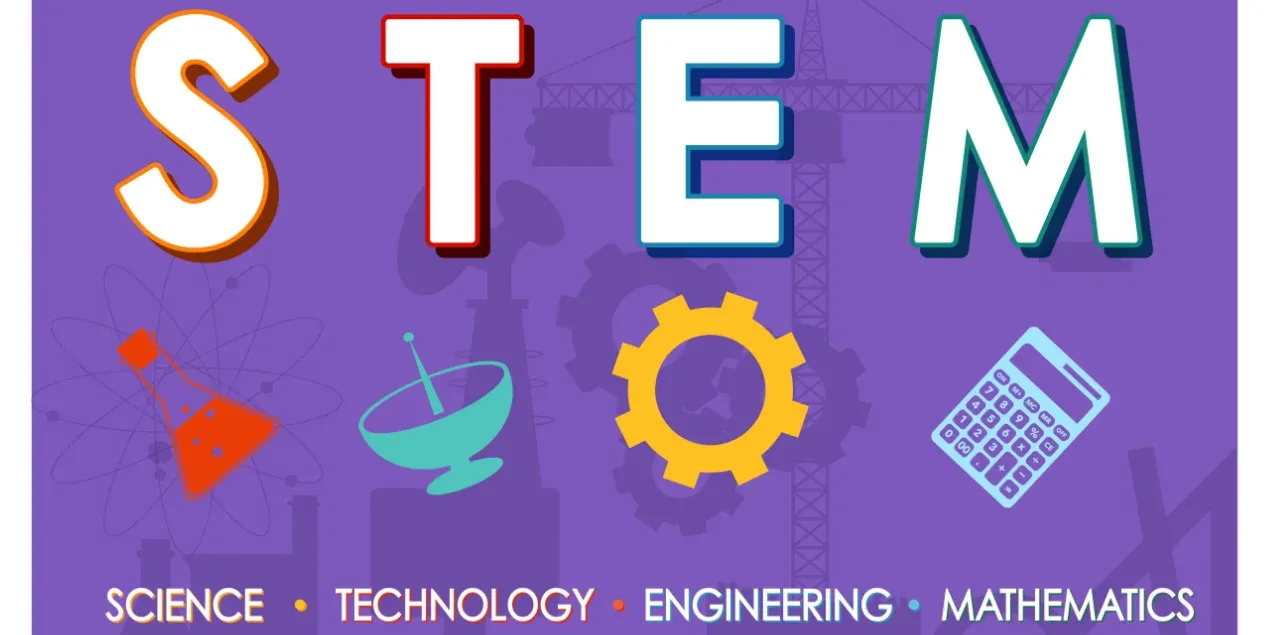
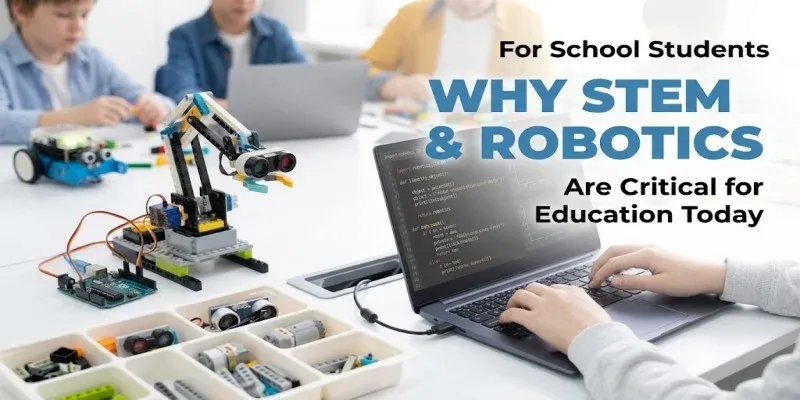
In an increasingly technology-driven world, traditional rote learning is no longer sufficient to prepare students for the challenges of tomorrow. As artificial intelligence, automation, and digital innovations transform every industry, education must evolve to equip young learners with practical, adaptable skills. This is where STEM education, focusing on Science, Technology, Engineering, and Mathematics, plays a pivotal role.
Institutions like the Ignite School System recognize that empowering students with STEM concepts from an early age helps build a strong foundation for academic excellence, creative thinking, and lifelong learning.
Fostering Critical Thinking and Real-World Problem Solving
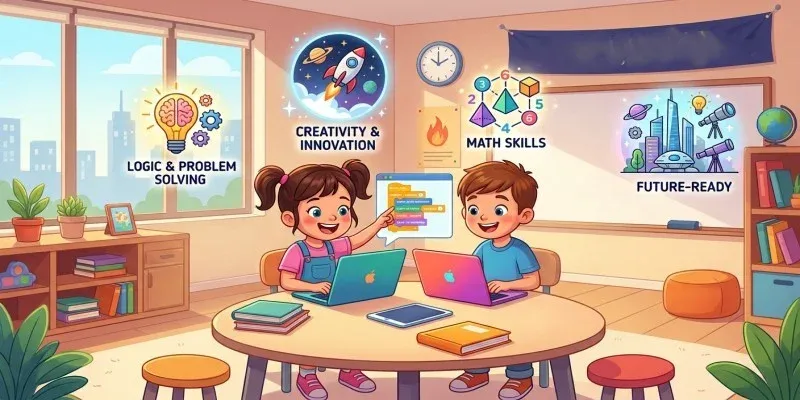
STEM education moves beyond theoretical concepts by encouraging students to inquire, analyze, and solve complex real-world problems. Rather than simply memorizing facts, learners are prompted to ask "why" and "how.
- Analytical Thinking: Students learn how to break down complex issues into smaller, manageable parts.
- Practical Application: Lessons connect classroom concepts with everyday phenomena, making learning relevant and engaging.
- Data-Driven Decision Making: STEM subjects teach students to gather evidence, evaluate data, and draw logical conclusions.
Preparing Students for the Future Job Market
The modern workforce is undergoing a massive shift, with STEM-related careers growing at a significantly faster rate than non-STEM occupations. From software development and robotics to environmental engineering and bio-health sciences, tomorrow's high-demand professions require deep technical literacy.
By integrating STEM into school curricula, educators ensure that students do not just passively consume technology, but actively understand, create, and innovate with it. This creates a workforce that is adaptable, tech-savvy, and ready for global competition.
Blending Academic Knowledge with Co-Curricular Growth
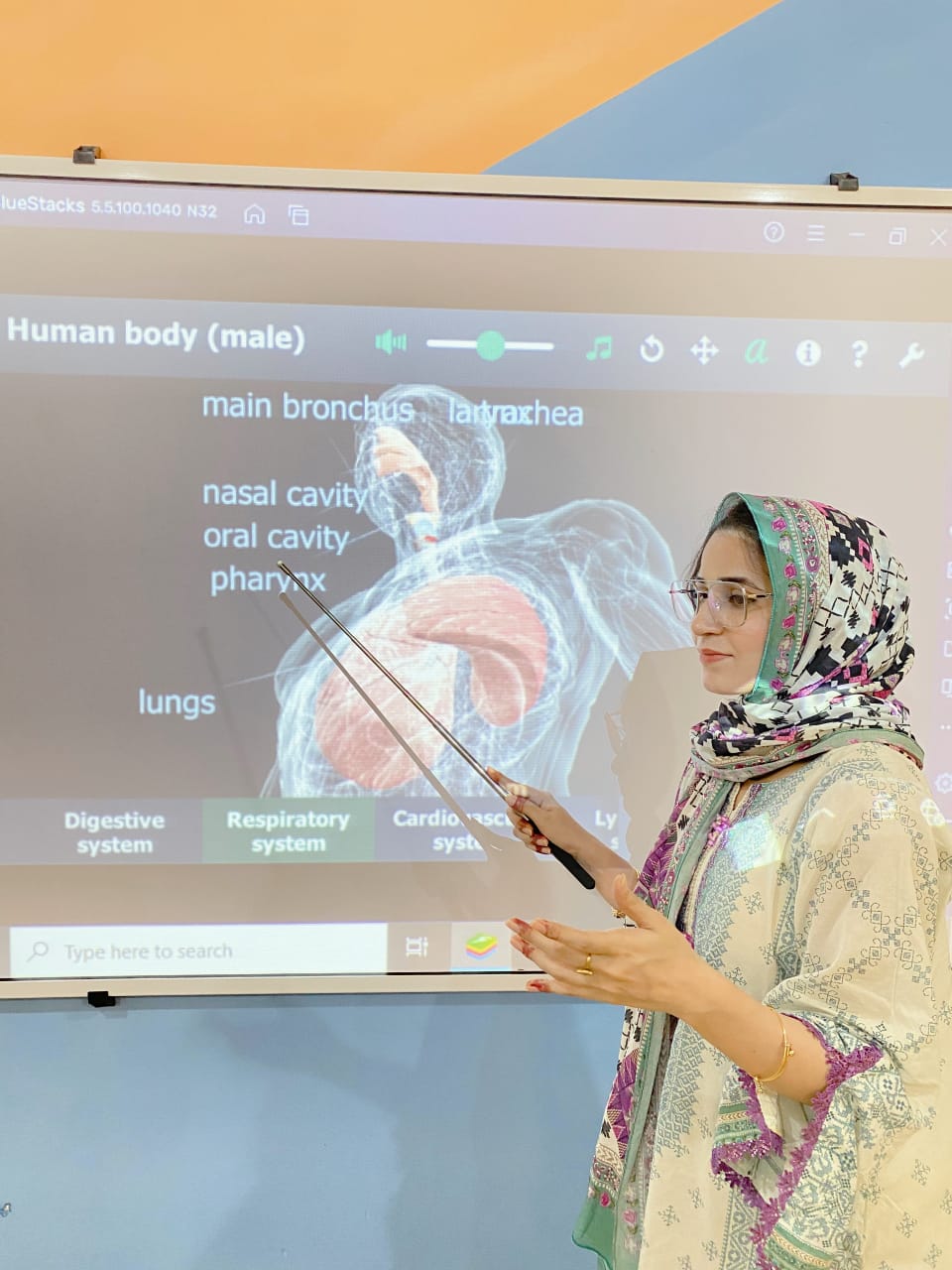
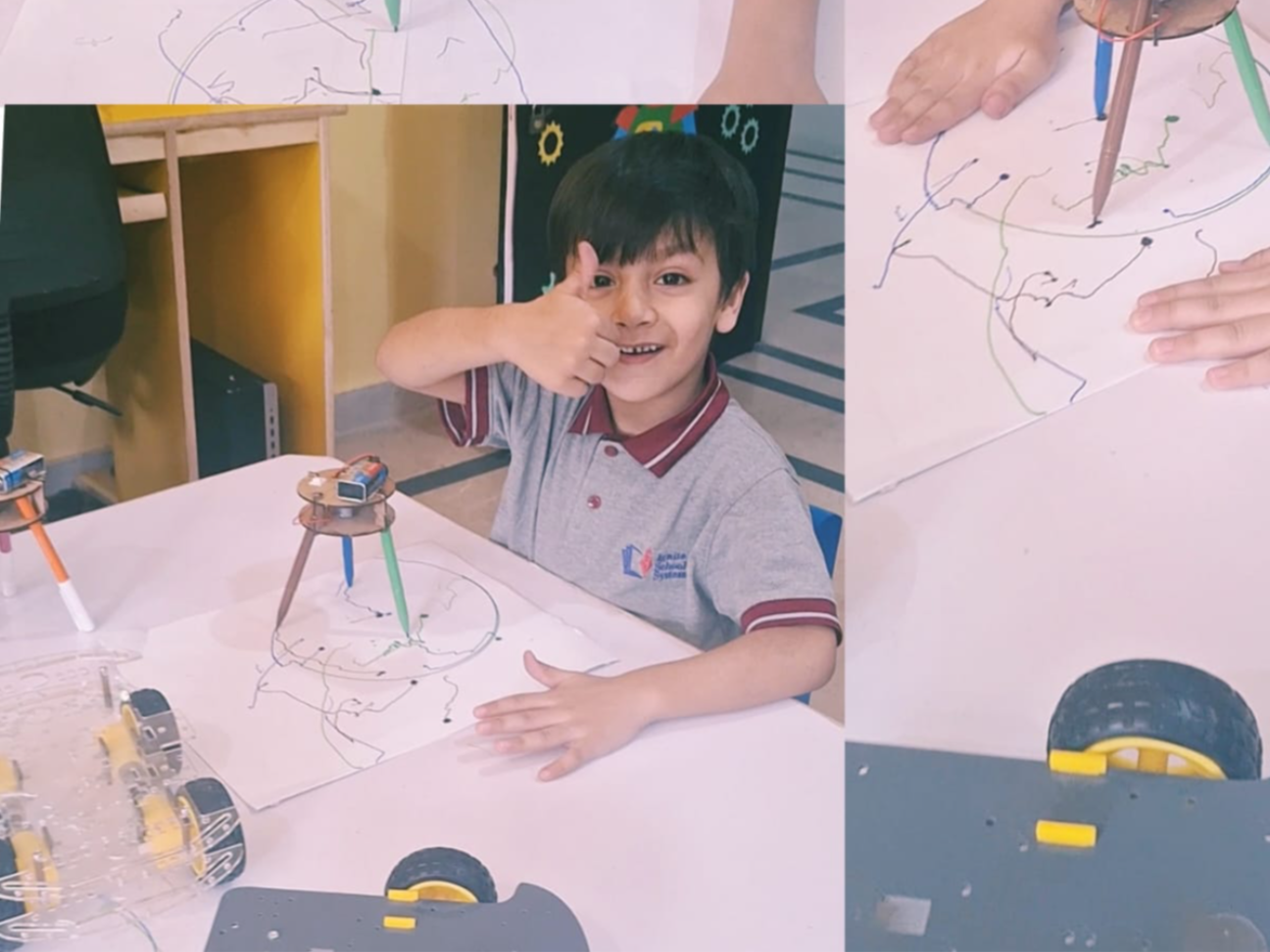
Learning extends far beyond textbooks and formal examinations. A well-rounded STEM curriculum emphasizes hands-on projects, group challenges, interactive lab experiments, and collaborative problem-solving.
Integrating science projects into every vibrant Co-Curricular Activity enables students to develop crucial soft skills alongside technical expertise. Working in teams on STEM initiatives teaches:
- Leadership and Communication: Explaining ideas clearly and guiding team members.
- Collaboration: Brainstorming together and respecting diverse perspectives.
- Creativity: Finding novel solutions to unexpected design challenges.
Building Resilience and an Innovation Mindset
One of the greatest benefits of STEM education is that it reframes "failure" as a crucial step in the learning process. Whether testing a computer program, building a model bridge, or performing a chemistry experiment, initial attempts often fail.
Through trial and error, students learn grit, patience, and adaptability. This resilience instills a growth mindset encouraging young minds to embrace challenges, experiment boldly, and continuously refine their ideas.
Conclusion
STEM education is more than just a combination of four subjects; it is an integrated approach to learning that prepares the next generation to tackle global challenges with confidence, creativity, and intellect. By fostering a passion for discovery and practical learning, we lay the groundwork for future innovators, engineers, scientists, and leaders.
To explore more educational insights, teaching methodologies, and school updates, feel free to visit the official Blog and discover how the Ignite School System is shaping the future of modern education.
Share on Social Media
Recommended For You
























Readers Also Viewed These Articles
Categories
- blog
- Education
- News and Event
- General knowledge