How Schools Can Balance Technology With Traditional Learning

In the modern educational landscape, digital technology has transformed how students access information, collaborate, and solve problems. However, despite the rise of smart classrooms, online tools, and interactive learning platforms, traditional educational methods such as handwriting, face-to-face debates, and physical textbooks remain foundational to cognitive and social development. Finding the right balance between technology and traditional teaching methods is essential for developing well-rounded and resilient learners.
At Ignite School System, technology can support classroom learning while traditional teaching methods continue to play an important role in students’ academic and personal development.
By taking a thoughtful approach to educational technology, schools can prepare students for a digital future while preserving essential human-centric learning experiences.
Using Technology to Enhance, Not Replace, Core Fundamentals
Digital devices are most effective when applied as tools to deepen comprehension rather than shortcuts to task completion. While interactive software can illustrate complex scientific processes or mathematical concepts, traditional instruction provides the foundational understanding required for deep learning.
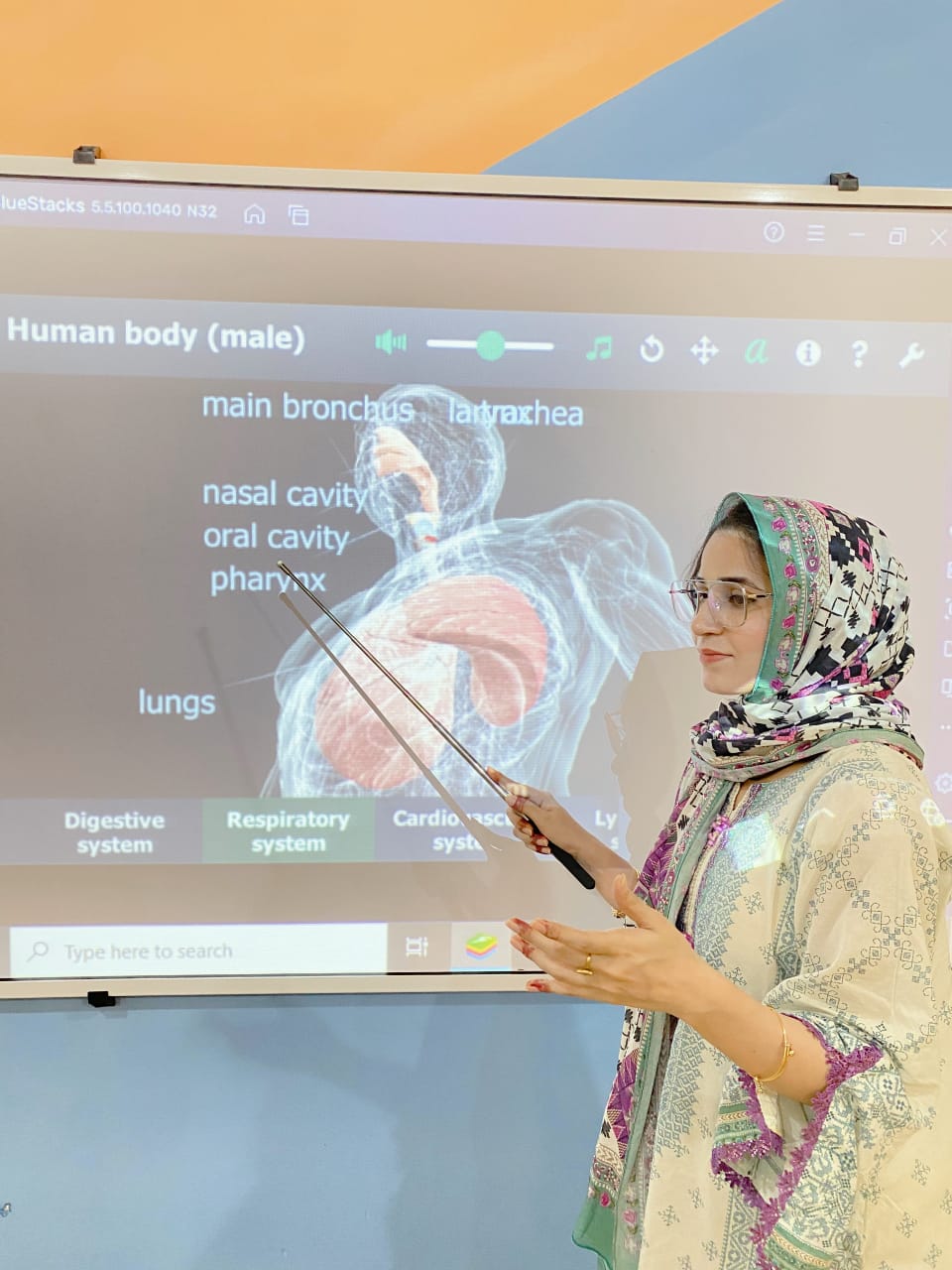
- Digital Tools as Amplifiers: Interactive displays, virtual simulations, and educational applications can enrich lessons while guided teaching and reading help students build a strong understanding of core concepts.
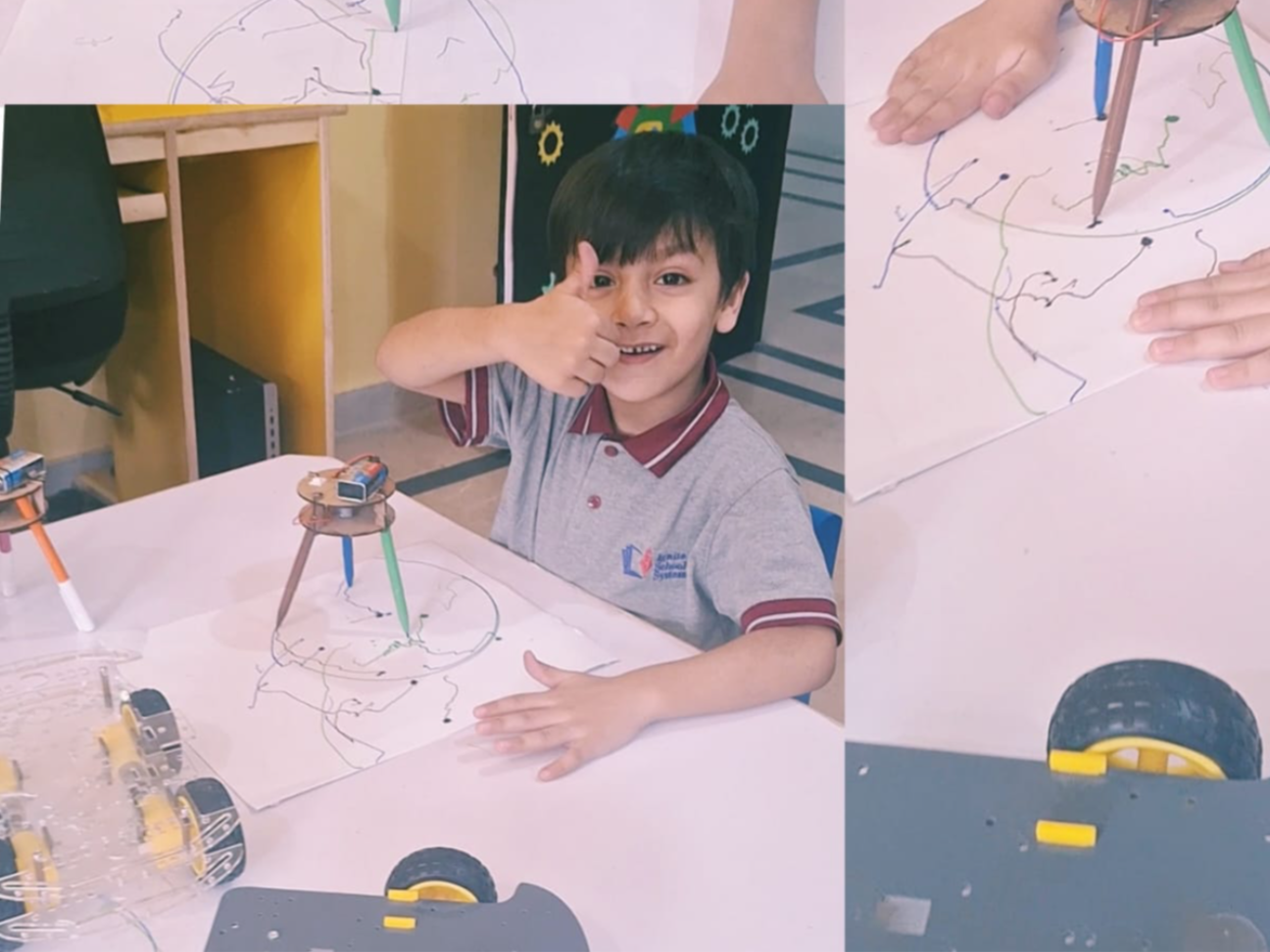
- Preserving Tactile and Fine-Motor Skills: Handwriting, physical art activities, and hands-on laboratory experiments give students opportunities to develop practical skills and engage with learning beyond the screen.
- Blended Learning Models: Combining digital research with structured physical note-taking encourages students to synthesize information actively rather than passively consuming text.
Fostering Human Connection and Collaborative Communication
Balanced learning environments prioritize interpersonal communication and real-time dialogue.
- Group Discussions and Debates: Socratic seminars and structured classroom debates help students articulate ideas, listen actively, and evaluate diverse perspectives without screen mediation.
- Collaborative Physical Projects: Working in teams to construct physical models, conduct science experiments, or stage performances builds peer accountability and leadership skills.
- Teacher-Led Mentorship: When used effectively, technology can help streamline routine classroom tasks, giving teachers more opportunities to mentor and support individual students.
Developing Digital Literacy Alongside Critical Thinking
Introducing technology into the classroom comes with the responsibility of teaching digital citizenship. Students must learn how to navigate digital environments critically, responsibly, and safely.
- Source Evaluation: Teaching students how to distinguish credible academic research from misinformation when conducting online searches.
- Screen-Time Awareness: Structuring school days with deliberate non-screen intervals to prevent cognitive fatigue and digital overload.
- Data Privacy and Ethics: Educating learners on digital footprints, cybersecurity basics, and ethical technology usage within academic settings.
Students can also benefit from opportunities to apply their learning beyond regular classroom lessons. Explore our News & Events section for updates on campus activities, academic initiatives, and student achievements.
Creating Flexible and Adaptive Learning Spaces
A balanced learning approach also benefits from flexible classroom spaces. Physical spaces should transition easily between tech-enabled individual work and traditional group setups.
- Modular Seating Layouts: Arranging desks to accommodate both computer-based research sessions and traditional round-table discussions.
- Dedicated Tech-Free Zones: Establishing quiet reading corners and hands-on creation areas where digital devices are intentionally set aside.
- Balanced Homework Policies: Designing home assignments that combine online research or practice modules with offline reading and handwritten reflection.
For more insights into education, learning strategies, and student development, explore more articles on our Blog.
Conclusion
Balancing technology with traditional learning is not about choosing between the past and the future; it is about combining the strengths of both to deliver a comprehensive educational experience. By using digital tools to expand access and creativity while maintaining traditional methods that support critical thinking and human connection, schools equip students to navigate an increasingly complex world with confidence and competence.
To learn more about Ignite School System or get in touch with our team, please contact us.
If you would like to learn more about our curriculum or discuss our approach to balanced modern education, please contact us today
Share on Social Media
Recommended For You









Readers Also Viewed These Articles
Categories
- blog
- Education
- News and Event
- General knowledge