The Future of Freelancing & Entrepreneurship: Starting Skill-Development at the School Level
The global gig economy and entrepreneurial landscape are expanding at a spectacular rate. Today, a teenager with a laptop and a stable internet connection in Pakistan can collaborate with international brands, build software, or manage digital marketing campaigns for businesses across the globe.
Yet, the average school curriculum remains heavily focused on traditional, rigid career paths like medicine, engineering, or civil service. This conventional approach completely overlooks the vast economic potential held by the modern digital marketplace.
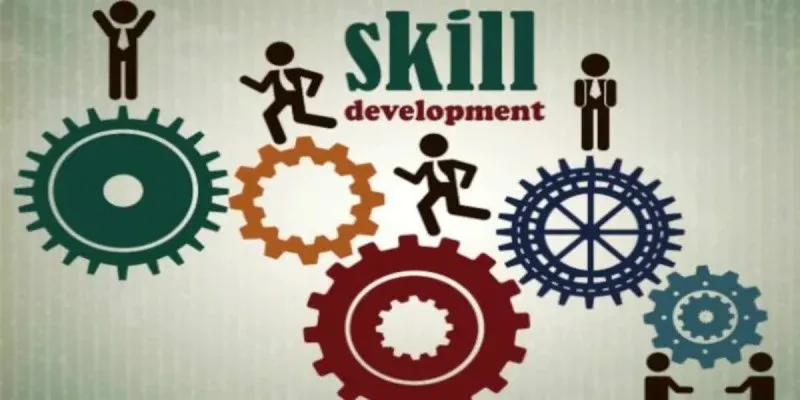
To tap into this multi-billion-dollar ecosystem, skill development must begin far earlier than university. Introducing digital proficiency, freelancing mechanics, and entrepreneurial thinking at the school level is no longer optional.
By cultivating these high-income skills early, we can successfully transform the next generation of Pakistanis from passive job seekers into active job creators and global service providers.
The Rising Power of the Pakistani Gig Economy
Pakistan has quickly consolidated its position as one of the top countries globally for freelancing and digital services. Millions of dollars flow into the national economy every year through self-taught individuals mastering coding, graphic design, content writing, and digital architecture.
However, the majority of these freelancers only discover these career pathways late in their adult lives, often after completing irrelevant university degrees. This delay represents a massive loss of developmental time and economic opportunity.
If schools begin introducing basic digital literacy and business mechanics to children early, students can exit matriculation or intermediate levels with established portfolios. Early skill acquisition changes freelancing from a desperate backup plan into a deliberate, highly lucrative career strategy.
Anchoring Classrooms in a Progressive Vision
To successfully transition from a traditional textbook model to a skills-first curriculum, an educational institution needs a crystal-clear philosophical foundation. This massive systemic shift requires academic leaders to look decades into the future rather than clinging to past successes.
An institution currently championing this progressive evolution in Pakistan is the Ignite School System, which builds its entire academic framework around future-proof capabilities. You can explore their long-term institutional goals and philosophy by visiting the Ignite School System main portal.
When a school commits to a forward-thinking model, it naturally prioritizes practical capabilities over empty test scores. This alignment ensures that every classroom hour actively prepares students for the actual economic realities of the modern world.
Aligning Core Curriculum with Future Milestones
Shifting an entire generation toward digital entrepreneurship cannot happen overnight; it requires a systemic blueprint that alters daily classroom objectives. A school must clearly articulate its long-term strategy to ensure teachers, parents, and students move forward in perfect unison.
This overarching commitment to building modern, competitive citizens is deeply embedded in the institution's primary foundational documentation. To read about their specific strategic roadmap and core operational values, you can review the official institutional Vision statement.
A clear vision guarantees that digital skills are treated with the exact same academic weight as traditional sciences. It forces the curriculum to evolve constantly, ensuring students learn tools that are highly relevant to the current global economy.
Moving Beyond Textbooks to Active Practice
Traditional education relies on passive intake, where a student memorizes software definitions instead of actually using the programs. To build competent young freelancers, classrooms must leave behind the ancient habit of treating technology as a purely theoretical subject.
This essential shift away from passive learning to hands-on execution perfectly mirrors modern progressive teaching frameworks. To understand how schools can successfully replace old-school memorization with active, career-focused assignments, read the detailed guide on Beyond Rote Learning.
When project-based models are applied to digital skill development, students do not just study web design; they build working websites for local small businesses. This active engagement instills professional confidence that simply cannot be replicated by a paper exam.
Highlighting Practical Innovation and Student Success
Introducing freelancing and entrepreneurship at the school level becomes incredibly powerful when students witness their skills translating into public recognition. A school must celebrate real-world execution, technical hackathons, and student-led business startups just as much as traditional sports or sports days.
To keep the community connected with these innovative student achievements, business galas, and digital exhibitions, institutions share regular media updates. Parents and visitors can browse through these dynamic milestones by checking the school's official News & Events section.
Publicly showcasing student-created digital solutions proves to the broader community that children are capable of professional excellence. It changes the cultural perception of technology from a distraction into a powerful tool for economic empowerment.
Demystifying the Core Skills of Digital Entrepreneurship
Teaching entrepreneurship to school kids does not require teaching complex corporate tax laws or corporate governance. Instead, it focuses on building basic, scalable digital skills like user interface design, data analysis, video editing, and basic programming logic.
Alongside these technical tools, students must be explicitly taught the core principles of business communication. They need to learn how to write a professional email, pitch an idea clearly, handle customer feedback, and negotiate fairly.
When a student learns how to package their technical skill into a formal service, they are learning the exact foundations of freelancing. These communication skills are what separate a low-tier worker from a high-earning, independent digital consultant.
Overcoming the Academic Focus on Job Seeking
For generations, the cultural narrative in Pakistan has been deeply rooted in safety: study hard, get a degree, and find a secure job within an existing company. While this path worked well in the past, the modern local job market is increasingly saturated, leaving thousands of graduates unemployed.
Early entrepreneurial training completely flips this outdated narrative on its head. It teaches young students to look at their communities, identify existing inefficiencies, and create independent businesses or digital agencies to solve them.
By shifting our youth's mindset from "Who will hire me?" to "What value can I create?", schools can spark a massive economic revolution. This mental shift creates proactive, resilient individuals who know how to build their own economic security regardless of local employment rates.
Building Long-Term National Self-Reliance Through Youth
Ultimately, integrating freelancing training and entrepreneurial skill development into Pakistani schools is an investment in the entire nation’s sovereignty. A country whose youth can generate foreign exchange directly from their laptops is a country that can weather any macroeconomic storm.
By providing these modern tools to students during their most flexible developmental years, we democratize economic opportunity. No matter their background, any student can build global success if they possess a high-income skill and the entrepreneurial drive to market it.
The time to upgrade our schools is right now. By shifting away from outdated learning models and introducing freelancing and skill development early, we can unlock the true, unstoppable potential of Pakistan's youth and secure a highly prosperous future for the next generation.
Conclusion
Ultimately, the future of Pakistan’s economy rests on our ability to transform the next generation from passive job seekers into proactive digital creators. Introducing freelancing and entrepreneurship at the school level breaks down the walls of traditional career paths, allowing students to tap into the booming global gig economy during their most formative years. When progressive schools build high-income digital skills and business communication directly into their core curriculum, they provide students with the ultimate tools for financial independence. By moving away from an outdated obsession with safe employment and embracing digital self-reliance, we can unlock the true economic potential of our youth, ensuring a highly resilient, self-sustaining, and prosperous future for Pakistan
Share on Social Media
Recommended For You






Readers Also Viewed These Articles
Categories
- blog
- Education
- News and Event
- General knowledge