Beyond Rote Learning: How Project-Based Learning (PBL) Prepares Students for Future Careers
The modern global economy is evolving at a breakneck pace, driven by rapid automation and artificial intelligence. Despite these massive shifts, many classrooms across Pakistan still rely on a century-old model of education that prioritizes memorization over deep understanding.
Students spend hours memorizing definitions, copying notes from blackboards, and cramming for standardized exams. This traditional approach creates individuals who excel at reproducing facts on paper but struggle when faced with real-world problems.
To bridge this widening gap, the global educational landscape is shifting toward Project-Based Learning, commonly known as PBL. This dynamic teaching method moves students away from passive listening and pushes them into active problem-solving.
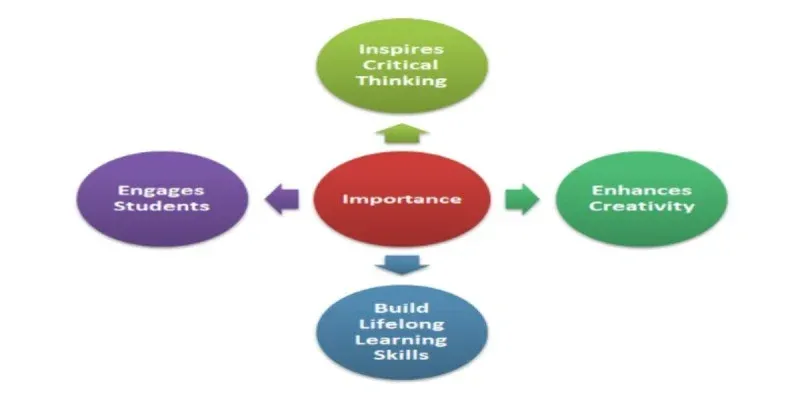
By working on real-world challenges, students develop critical thinking, collaboration, and adaptability. These exact practical skills are what top employers demand in the modern workforce.
Understanding the Limits of Traditional Memorization
The traditional Pakistani education system has long been anchored in rote learning, colloquially known as "ratta." While this method helps students clear immediate academic hurdles and score high marks on board exams, its long-term benefits are incredibly limited.
Information memorized under pressure is usually forgotten the moment the exam ends. This leaves students without any functional, long-term knowledge to apply in their professional lives.
Furthermore, rote learning treats students as passive consumers of information rather than active creators. It encourages conformity and discourages curiosity, which completely stifles creative thinking.
When young professionals enter the job market, they quickly realize that real-world career challenges do not come with multiple-choice options or pre-written text answers.
Shifting Focus to Holistic Student Progress
To counter the limits of memorization, forward-thinking institutions are completely redefining how they measure student growth and engagement. A school's internal infrastructure must actively communicate these evolving expectations to parents and students alike.
An example of an institution driving this shift is the Ignite School System, which uses modern communication channels to keep its community updated. You can view their latest academic updates and structural shifts by checking the Ignite School System digital portal.
When a school updates its community transparently, it signals a commitment to progressive education. Moving away from rigid testing schedules allows schools to focus heavily on how students apply knowledge in practical environments.
Keeping the School Community Aligned and Updated
Successfully transitioning from old learning models to project-based frameworks requires constant communication between educators, students, and parents. Everyone involved needs to understand that learning is no longer confined to traditional textbooks.
To maintain this vital structural alignment and keep families informed about new academic initiatives, institutions rely on centralized digital updates. Parents can stay informed about the latest project schedules, deadlines, and academic announcements by regularly visiting the school's official Noticeboard.
This continuous flow of information ensures that parents understand the value of hands-on projects. It helps them see that temporary departures from traditional homework are designed to build greater, more permanent cognitive skills.
Defining the Core Mechanics of Project-Based Learning
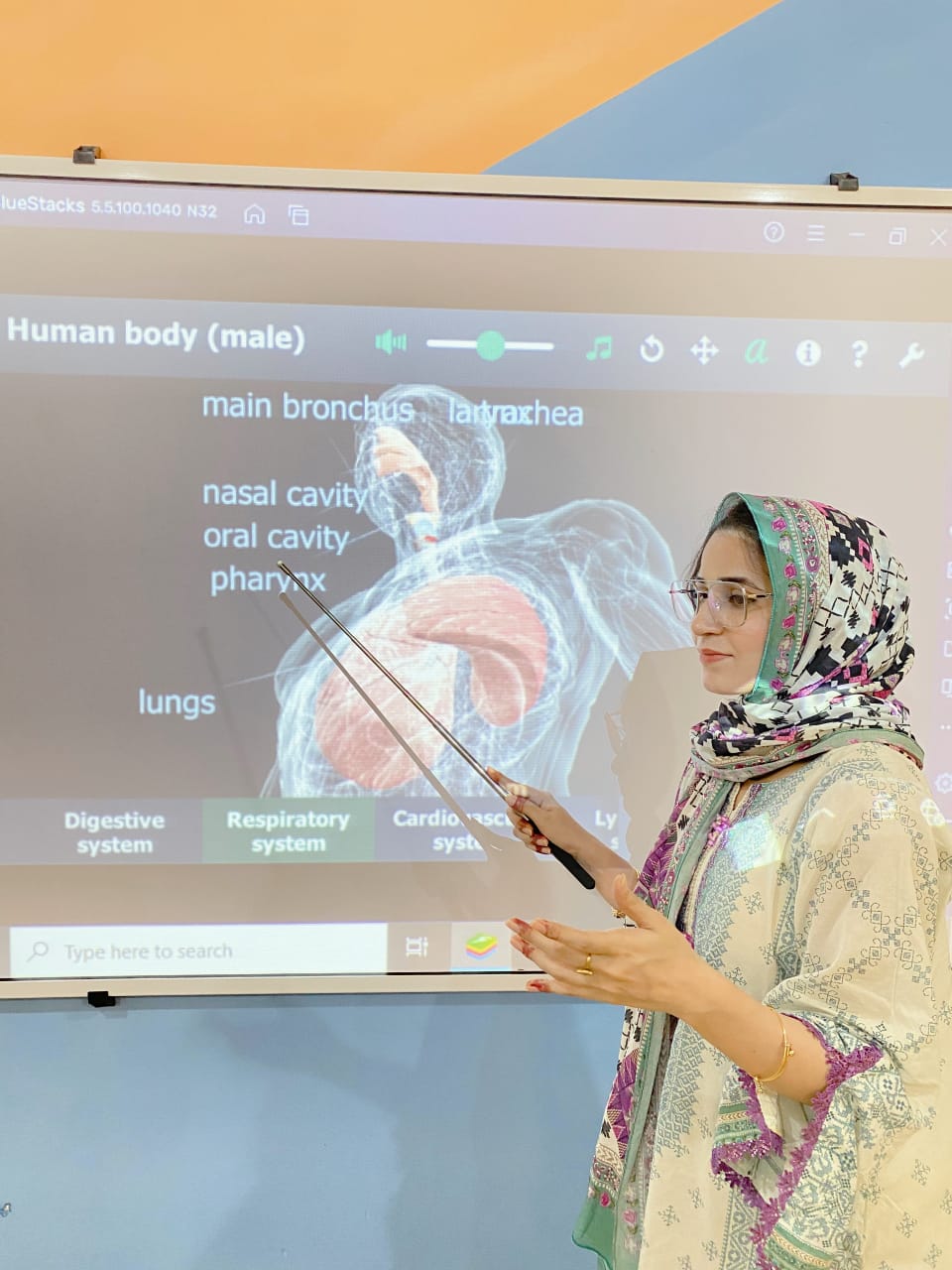
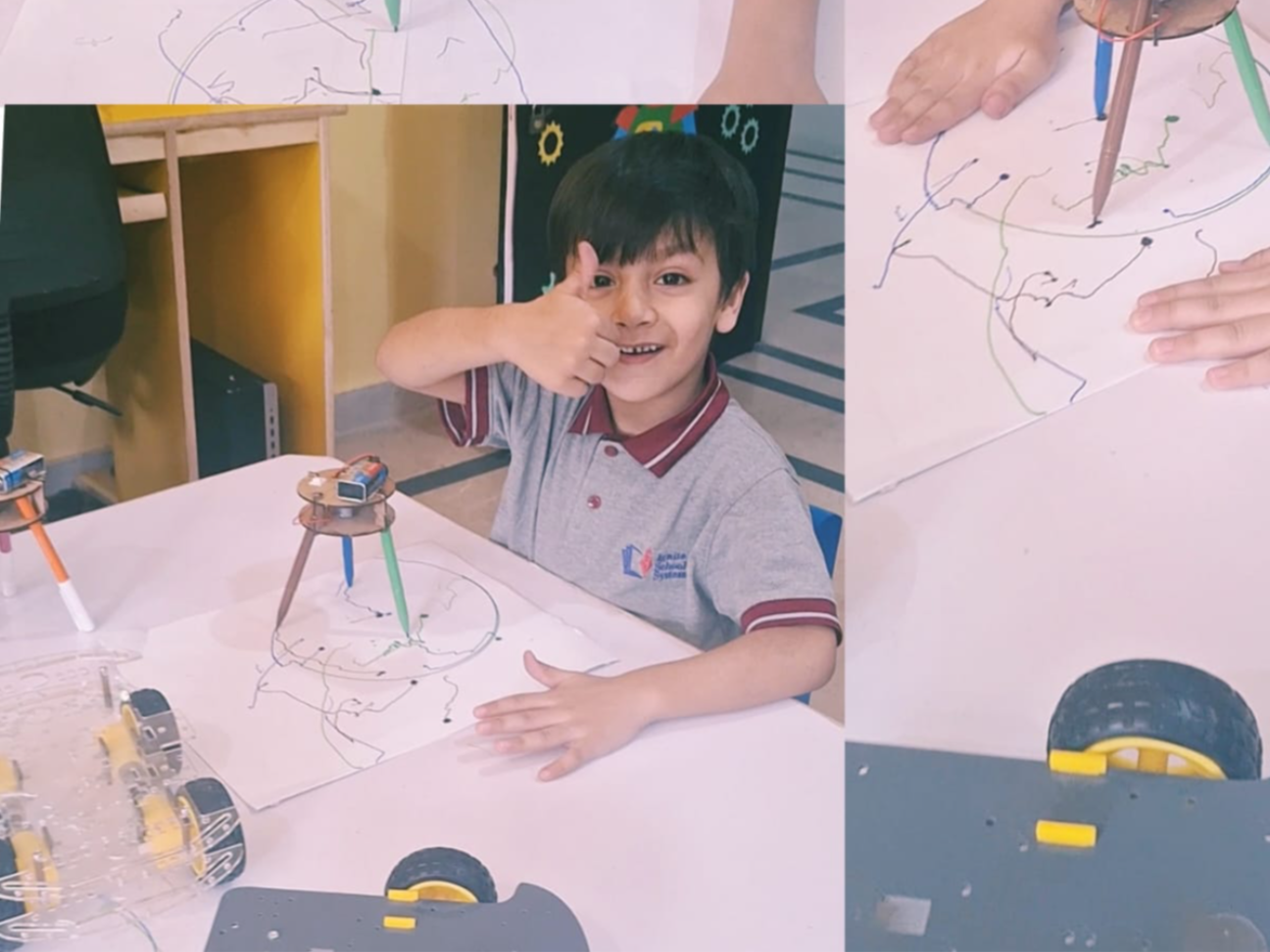
Project-Based Learning is a comprehensive instructional approach that invites students to investigate complex, authentic, and engaging questions. Instead of reading a single chapter about environmental pollution, students might spend three weeks designing a waste-management plan for their neighborhood.
This methodology forces students to conduct primary research, interview local community members, analyze data, and present their findings publicly. Through this hands-on process, academic subjects like science, mathematics, and social studies merge into one fluid, practical experience.
PBL fundamentally changes the traditional role of the teacher in the classroom. The educator stops acting as the sole source of information and instead becomes a facilitator and project coach.
This structural shift teaches students how to take full ownership of their own learning journey from start to finish.
Building Essential Collaborative Skills for the Workforce
The modern corporate sector rarely features individuals working in complete isolation. Whether in software development, engineering, healthcare, or marketing, professional success depends entirely on an individual's ability to work cohesively within a diverse team.
Rote learning isolates students, forcing them to compete individually for the highest marks on a test paper. Project-Based Learning, by its very design, groups students together and tasks them with achieving a shared goal.
Within these project groups, students must learn to delegate tasks, resolve internal conflicts, listen to opposing viewpoints, and negotiate effectively. These interpersonal experiences build emotional intelligence, a trait that human resource managers value just as highly as technical capability.
Enhancing Critical Thinking and Complex Problem Solving
In a traditional classroom setup, every problem presented to a student has a single, predetermined correct answer listed at the back of the textbook. This creates a false impression of how the real world operates.
Real-world career problems are notoriously messy, open-ended, and rarely come with a clear instruction manual. PBL exposes students to this exact ambiguity early in their developmental years.
When a project prototype fails, or when research data contradicts their initial thesis, students are forced to think critically and pivot. They learn to view failure not as a final academic punishment, but as an essential data point in the iterative process of problem-solving.
Connecting Academic Projects to Practical Life Skills
The intellectual growth of a student accelerates dramatically when they see a direct connection between their classroom lessons and daily survival. Academic institutions must intentionally design experiences that link mental theory with tangible, everyday realities.
A brilliant example of linking academic theory to vital real-world capabilities is teaching children how to handle resources effectively. To see how schools can connect practical assignments to long-term societal success, explore this detailed analysis of Financial Literacy for Kids.
When schools combine financial concepts with project-based learning, students don't just memorize definitions of currency. They create mock business models, manage project budgets, and learn the real-world value of resource optimization.
Expanding Learning Beyond Classroom Walls
Project-Based Learning does not exist in a vacuum; it thrives when integrated into the broader life of the educational institution. A school must cultivate an active ecosystem where learning naturally extends beyond the physical boundaries of the classroom.
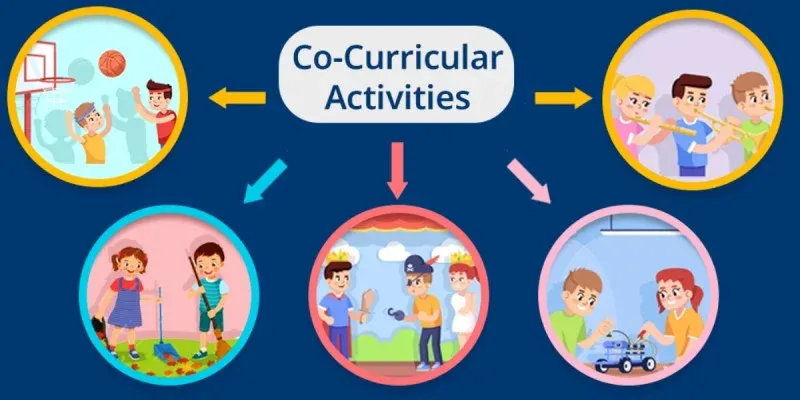
This holistic development is fully realized when students participate in structured activities that test their physical, creative, and intellectual boundaries. You can explore how these diverse experiences are organized by looking into the institution's vibrant Co-Curricular Activity programs.
Participating in science exhibitions, debating societies, and community service projects allows students to test their project designs in real public arenas. These experiences build immense personal confidence and teach students how to articulate their ideas clearly to an external audience.
Nurturing Adaptability in an Unpredictable Job Market
The specific technical tools and software applications used in workplaces today will likely become obsolete by the time current primary school students graduate. Therefore, training students on a rigid, unchanging set of instructions is a disservice to their future.
The greatest gift a school can give a student is the capacity to learn, unlearn, and relearn with agility. Project-Based Learning builds this exact mental flexibility by requiring students to research new trends independently for each assignment.
When a student learns how to source reliable information, analyze its validity, and apply it to a fresh challenge, they become infinitely adaptable. This self-directed learning capability ensures they will thrive in any career path they choose, regardless of technological disruptions.
Preparing Pakistani Youth for Global Professional Excellence
If Pakistan wants to position its youth as competitive players in the global market, our educational methodologies must align with international standards. Global industries are looking for innovators, independent thinkers, and proactive creators.
Continuing down the road of pure rote learning will only relegate our workforce to low-tier, repetitive operational roles. Introducing PBL nationwide is a crucial step toward elevating the intellectual capital of the country.
When we empower Pakistani students to design solutions, build prototypes, and lead independent investigations, we prepare them to step into leadership roles on the world stage. Project-Based Learning transforms classrooms from quiet spaces of compliance into buzzing laboratories of innovation, ensuring our youth are truly ready for the future of work
Share on Social Media
Recommended For You







Readers Also Viewed These Articles
Categories
- blog
- Education
- News and Event
- General knowledge