The Impact of Digital Classrooms in Modern Education
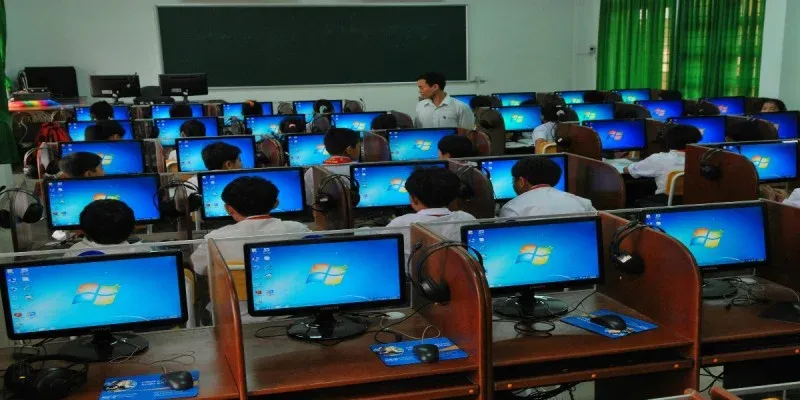
The evolution of technology has significantly transformed the education sector, making learning more interactive, accessible, and efficient. Institutions like these are embracing digital classrooms to enhance the quality of education and prepare students for a technology-driven world. Ignite School System is committed to providing modern learning environments where digital tools support both teaching and student development. Digital classrooms are no longer a luxury but a necessity in modern education systems, enabling both teachers and students to engage in more dynamic and flexible learning environments.
Introduction to Digital Classrooms
Digital classrooms integrate technology into the learning process through tools such as smart boards, online learning platforms, multimedia content, and virtual collaboration systems. These classrooms go beyond traditional teaching methods by providing interactive and student-centered learning experiences. Students can access lectures, assignments, and resources anytime, which supports self-paced learning and improves overall understanding.
Enhanced Student Engagement
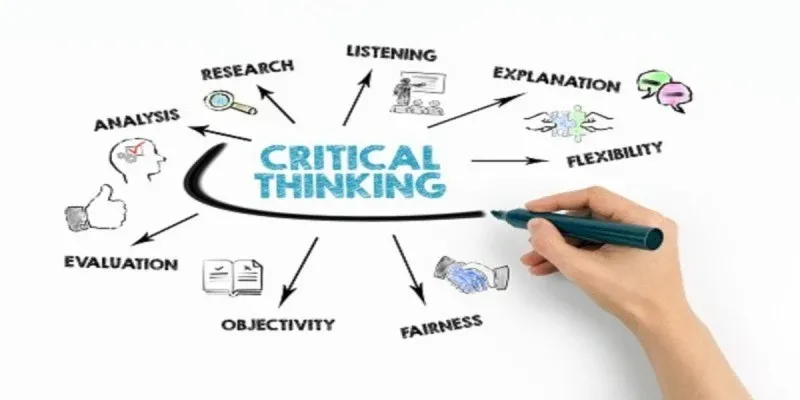
One of the most significant advantages of digital classrooms is improved student engagement. Visual presentations, videos, quizzes, and interactive simulations make lessons more interesting and easier to understand. Instead of passive listening, students actively participate in discussions, group activities, and digital exercises. This engagement helps in better retention of knowledge and encourages critical thinking.
Accessibility and Flexibility in Learning
Digital classrooms allow students to learn from anywhere at any time. This flexibility is especially beneficial for students who may have geographical, time, or personal constraints. Recorded lectures and online materials enable learners to revisit concepts whenever needed. This accessibility ensures that education is not limited to the physical boundaries of a classroom.
Integration of Advanced Learning Tools
Modern education relies heavily on advanced tools such as Learning Management Systems (LMS), cloud-based platforms, and AI-powered educational software. These tools help teachers track student progress, assign tasks, and provide instant feedback. Additionally, collaborative tools enable group projects and peer interaction, fostering teamwork and communication skills among students.
For more insights on modern education trends, you can explore this, which covers valuable topics related to teaching methodologies and academic innovation. Guide for Parents: How to Select the Best School for Admissions in 2026 is also an important resource that helps parents make informed decisions about their children’s education.
Role of Teachers in Digital Classrooms
In digital classrooms, the role of teachers evolves from traditional lecturing to facilitating and guiding students. Teachers act as mentors who encourage participation, monitor progress, and provide personalized support. With the help of digital tools, educators can identify individual learning needs and adapt their teaching strategies accordingly.
Improved Collaboration and Communication
Digital classrooms promote better communication between students and teachers. Discussion forums, messaging systems, and virtual meetings allow continuous interaction beyond classroom hours. Students can easily ask questions, share ideas, and collaborate on projects, creating a more connected and interactive learning environment.
Preparing Students for the Future
As industries increasingly rely on technology, digital literacy has become an essential skill. Digital classrooms equip students with the technical knowledge and problem-solving abilities required in modern workplaces. Familiarity with digital tools, online research, and virtual communication gives students a competitive advantage in their careers.
Challenges and Considerations
Despite their advantages, digital classrooms also come with challenges such as the need for reliable internet access, technical infrastructure, and proper training for both teachers and students. Institutions must invest in resources and provide support to ensure a smooth transition from traditional to digital learning environments.
Conclusion
Digital classrooms are revolutionizing modern education by making learning more interactive, accessible, and efficient. They bridge the gap between traditional teaching methods and technological advancements, creating a more engaging and future-ready educational experience. Institutions like IGSS are leading the way in adopting digital learning solutions, ensuring that students are well-prepared for the challenges of the modern world. For more updates and educational resources, you can visit the official blog section.
Share on Social Media
Recommended For You




Readers Also Viewed These Articles


Categories
- blog
- Education
- News and Event
- General knowledge