Screen Time vs Learning Time: Creating Healthy Digital Habits for Children
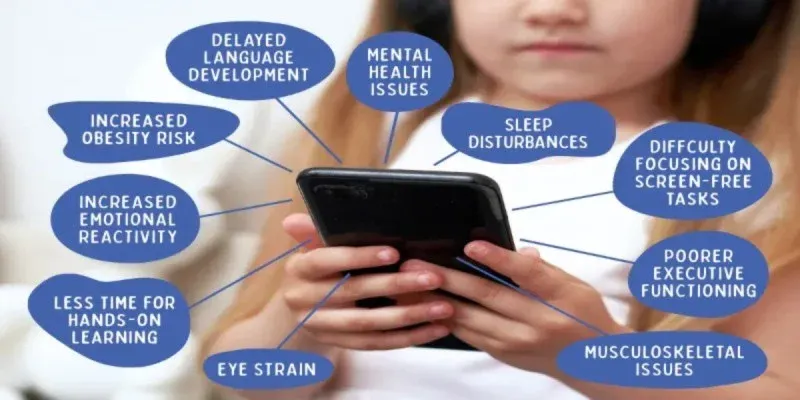
Screens are everywhere. From tablets and smartphones to smartboards in classrooms, technology is deeply woven into the lives of our children. While digital tools offer incredible opportunities for education, finding the right balance between passive entertainment and active learning remains a major challenge for modern parents.
At Ignite School System, we recognize that technology is a powerful ally when used intentionally. The goal isn't to ban screens entirely, but to teach children how to shift from mindless scrolling to mindful, productive digital habits.
The Difference Between Consumption and Creation
Not all screen time is created equal. To build healthy digital habits, we must distinguish between two main types of screen use:
- Passive Screen Time (Entertainment): This involves mindlessly consuming content, such as watching repetitive videos, scrolling through social media, or playing video games purely for distraction.
- Active Screen Time (Learning): This involves interactive engagement like coding a basic program, researching a science project, learning a new language, or watching educational documentaries.
As our leadership shares in their school Message, our educational approach focuses on purposeful growth. We aim to guide students to view technology as a tool for curiosity, innovation, and learning rather than a tool for distraction.
Steps to Build Healthy Digital Habits at Home
Balancing digital use requires clear boundaries and consistent routines. Parents can use these three practical strategies to create a healthier tech environment:
Focus on Quality Content Over Strict Hourly Limits
Instead of just counting the hours a child spends online, look closely at what they are doing. Encourage them to use high-quality, interactive educational apps, read e-books, or follow step-by-step art tutorials. Switch the focus from passive watching to active creating.
Establish "Screen-Free Zones" and Times
Keep specific areas of the home, like the dining table and bedrooms, entirely free of devices. Additionally, turning off all screens at least one hour before bedtime drastically improves a child's sleep quality and focus for the next school day.
Lead by Example
Children naturally mimic the adults around them. If they constantly see parents scrolling through their phones during family time, they will assume that is the standard. Designate specific device-free family time where everyone puts their screens away to talk or play together.
Balancing the Digital World with Physical Activity
To counteract the sedentary nature of screens, children need physical, real-world experiences to stay grounded. We actively encourage this balance through our diverse Co-Curricular Activity programs. By engaging in sports, arts, and physical team challenges, students give their eyes a break from the digital world while building crucial real-world social skills.
To see how our students strike this balance between modern digital learning and hands-on campus life, take a look at our News & Events page.
Conclusion
Technology is here to stay, and it will continue to shape the future of education. By guiding children to choose meaningful learning time over passive screen consumption, we help them develop self-discipline and healthy lifelong digital habits.
If you want to read more about our teaching methods, our values, and how we support families in raising well-rounded children, please explore our About Us page. Let’s work together to make technology a safe, empowering tool for our kids
Share on Social Media
Recommended For You






Readers Also Viewed These Articles


Categories
- blog
- Education
- News and Event
- General knowledge