How to Improve Communication Skills in Students
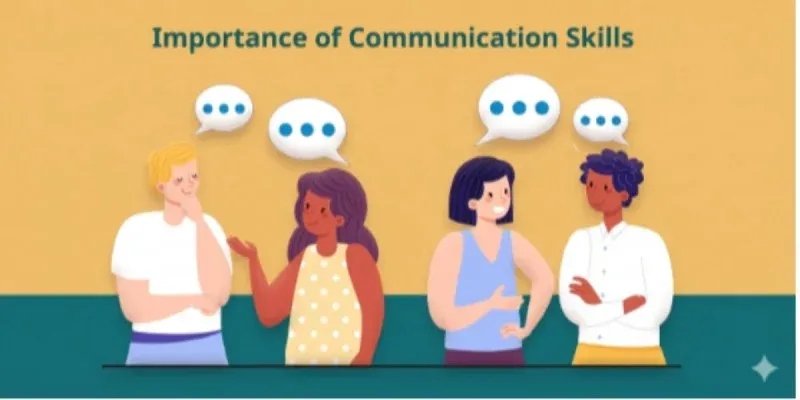
Communication skills are essential for students as they play a vital role in academic success, personal development, and future career opportunities. At Ignite School System, emphasis is placed on helping students develop strong verbal and non-verbal communication abilities through interactive learning, classroom participation, and co-curricular activities. Effective communication enables students to express their ideas clearly, build confidence, and interact positively with teachers, peers, and the wider community.
Importance of Communication Skills
Strong communication skills help students convey their thoughts clearly and confidently. Whether it is answering questions in class, participating in discussions, or presenting projects, students who communicate effectively are more likely to succeed academically. Good communication also improves teamwork, leadership qualities, and interpersonal relationships, which are essential for overall personality development.
Encouraging Classroom Participation
One of the best ways to improve communication skills is by encouraging students to participate in classroom activities actively. Teachers can motivate students to ask questions, share opinions, and engage in group discussions. Regular participation helps students overcome hesitation and build confidence in expressing their ideas in front of others.
Role of Reading and Listening Skills
Reading and listening are foundational components of effective communication. Reading books, articles, and academic materials enhances vocabulary and comprehension, while active listening helps students understand others better. When students develop strong reading and listening habits, they are better equipped to respond thoughtfully and communicate more effectively.
Practice Through Public Speaking and Presentations
Public speaking activities such as presentations, debates, and speeches are excellent ways to enhance communication skills. These activities allow students to organize their thoughts, improve pronunciation, and develop confidence while speaking in front of an audience. Regular practice helps reduce fear and improve clarity in communication.
Importance of Co-Curricular Activities
Co-curricular activities such as debates, drama, storytelling, and group projects provide students with opportunities to practice communication in real-life scenarios. These activities encourage teamwork, creativity, and interaction, helping students express themselves more freely and effectively.
Guidance from Teachers and Parents
Teachers and parents play a significant role in developing communication skills in students. Constructive feedback, encouragement, and continuous support help students improve their speaking and listening abilities. Teachers can guide students through interactive lessons, while parents can create a supportive environment at home for open conversations.
Incorporating Modern Learning Approaches
Modern educational strategies focus on student-centered learning, where communication is an integral part of the teaching process. Activities such as role-playing, discussions, and collaborative tasks help students practice communication in engaging ways. How to Choose the Best Preschool for Your Child in Pakistan is also an important consideration for parents, as early education plays a key role in developing foundational communication skills from a young age.
Conclusion
Improving communication skills in students is essential for their academic success and future growth. Through active participation, reading habits, co-curricular activities, and proper guidance from teachers and parents, students can develop strong communication abilities. Schools like Ignite School System focus on nurturing these skills to ensure students become confident and effective communicators. For more helpful articles and educational insights, explore our blog section to stay updated with valuable learning resources
Share on Social Media
Recommended For You


Readers Also Viewed These Articles
Categories
- blog
- Education
- News and Event
- General knowledge