How Project-Based Learning Helps Students Develop Real-World Skills
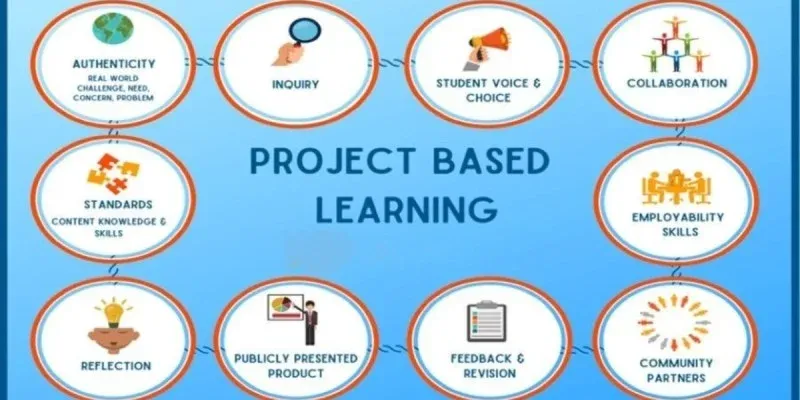
The days of memorizing long lists of facts just to pass a test are fading. Today, education is shifting toward preparing students for life outside the classroom. At Ignite School System, we believe that true learning happens when students actively explore real-world problems and challenges. This approach is known as Project-Based Learning (PBL).
Instead of just listening to a lecture, students taking part in PBL roll up their sleeves, work together, and tackle projects that mirror the real world. Here is a look at how this powerful teaching method helps students develop the essential skills they need for future success.
What is Project-Based Learning?
Project-Based Learning is an instructional approach where students learn by actively engaging in real-world and personally meaningful projects. Instead of reading about a concept in a textbook, students might design a sustainable garden, create a mock business plan, or build a working model of a historical city.
As shared in our leadership's Message, our core goal is to foster an environment where curiosity thrives, and academic knowledge seamlessly connects with practical execution.
Essential Real-World Skills Developed Through PBL
When students take ownership of a project, they develop a diverse toolkit of capabilities that traditional testing rarely measures.
Critical Thinking and Problem-Solving
In the real world, answers are rarely multiple-choice. PBL presents students with an open-ended question or problem. To find a solution, they must research, analyze data, weigh options, and make informed decisions. If their first attempt fails, they learn to pivot and try a new angle, a vital skill in any future career.
Collaboration and Teamwork
Most professional environments require people to work together. Projects naturally group students with peers who have different strengths and personalities. They learn how to delegate tasks, navigate disagreements, listen to diverse perspectives, and work toward a shared objective.
Effective Communication
A great idea doesn't mean much if you can't explain it to others. Throughout a project, students must pitch their ideas to teammates, write out proposals, and ultimately present their final findings to teachers or peers. This builds massive confidence in both verbal and written communication.
Time Management and Organization
Long-term projects require planning. Students learn how to break down a massive goal into smaller, daily tasks, set deadlines, and manage their time effectively. Experiencing this responsibility early prepares them for the fast-paced demands of higher education and professional life.
Bringing Learning to Life Beyond the Classroom
At Ignite School System, we understand that well-rounded development extends past traditional subjects. We actively blend these interactive projects with vibrant Co-Curricular Activity programs. Whether it is through science fairs, arts, or team-based competitions, students get to test their skills in exciting new arenas.
To see our students in action and keep up with our latest project showcases, feel free to visit our News & Events page.
Empowering Tomorrow's Leaders
By shifting the focus from "What do you know?" to "What can you do with what you know?", Project-Based Learning bridges the gap between the classroom and the real world. It transforms students from passive listeners into active problem solvers, creators, and leaders.
To learn more about our educational philosophy, our dedicated faculty, and our mission to inspire the next generation, explore our About Us page. Together, let's ignite the spark of lifelong learning!
Conclusion
Ultimately, the goal of modern education is not just to help students pass exams, but to prepare them to navigate and succeed in a rapidly changing world. Project-Based Learning achieves exactly this by turning the classroom into a launchpad for practical skills, creativity, and resilience. By encouraging students to question, experiment, and collaborate, we are not just teaching them lessons for today; we are equipping them with the tools, confidence, and mindset to build a brighter tomorrow
Share on Social Media
Recommended For You


Readers Also Viewed These Articles
Categories
- blog
- Education
- News and Event
- General knowledge