Teaching Kids How to Think, Not What to Think: The Rise of Critical Thinking in Modern Schools
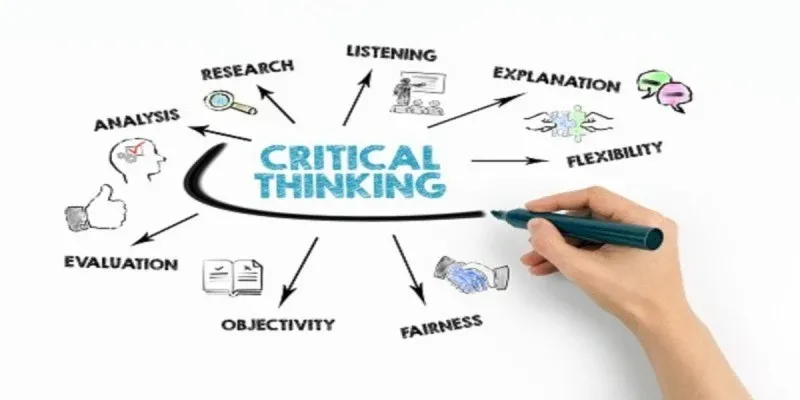
In an era characterized by an unprecedented overflow of information, instant search results, and rapid digital communication, access to knowledge is no longer a barrier to learning. Today's students can instantly retrieve millions of facts, dates, and opinions with a single tap. Consequently, the primary objective of education has shifted from memorizing vast amounts of data to developing robust analytical capabilities. Teaching children how to think critically rather than telling them what to think has become the cornerstone of progressive school education. Educational networks dedicated to preparing students for a complex world, such as the Ignite School System, place critical inquiry and intellectual independence at the heart of their pedagogical philosophy.
Moving Beyond Rote Memorization to Deep Understanding
For generations, traditional schooling relied heavily on passive listening, standardized repetition, and rote memorization. While these methods helped students recall basic information for exams, they often failed to cultivate higher-order cognitive skills like evaluation, synthesis, and creative application.
Critical thinking disrupts this passive model by encouraging students to become active participants in their own learning. Instead of accepting facts at face value, young learners are taught to analyze underlying assumptions, evaluate the credibility of sources, recognize logical fallacies, and consider multiple perspectives. This cognitive transformation shifts classroom dynamics from teacher-led lectures to collaborative, inquiry-driven dialogues where questioning is celebrated as a fundamental component of discovery.
Core Strategies for Cultivating Critical Thinkers
Fostering critical thought across primary and secondary grade levels involves integrating specific, structured learning habits into daily academic routines.
Socratic Questioning:
Teachers guide students toward answers by asking open-ended questions that challenge assumptions, demand evidence, and encourage deeper investigation.
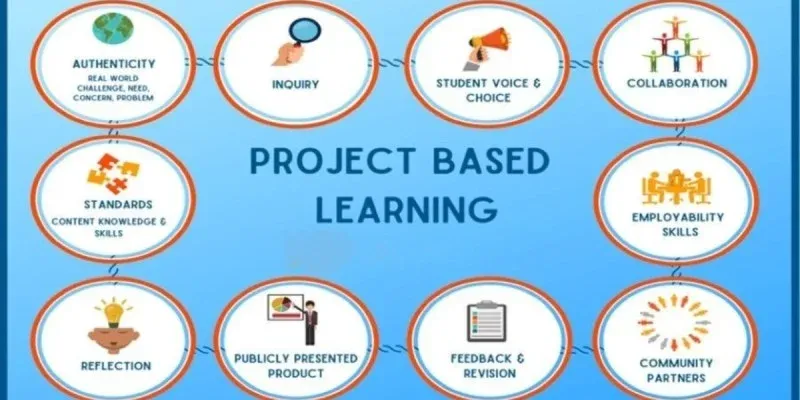
Problem-Based Learning:
Students work together to solve complex, real-world problems that lack a single "correct" answer, forcing them to weigh trade-offs and justify their conclusions.
Source Evaluation and Media Literacy:
Learners are trained to identify bias, distinguish objective facts from subjective opinions, and cross-reference information across digital media.
Reflective Metacognition:
Children are encouraged to reflect on their own thought processes, recognizing their own cognitive biases and learning how to adjust their reasoning when presented with compelling new evidence.
Parents looking for updates on school policies, academic standards, and curriculum frameworks that nurture independent inquiry can stay informed through the official Noticeboard.
The Role of Inquiry Across Science, Humanities, and Daily Life
Critical thinking is not a standalone subject; it is an analytical lens applied across every academic discipline and daily situation.
In science and mathematics, critical inquiry transforms abstract formulas into tools for discovery. Students hypothesize, run experiments, analyze unexpected data anomalies, and learn that failure is simply data pointing toward a refined solution. In the humanities, critical thinking enables children to analyze historical events through diverse viewpoints, dissect literary themes, and construct well-reasoned written arguments.
Collaborative school events, science fairs, and debating competitions frequently showcase how students apply these analytical skills in real time. Families interested in observing student projects and campus academic showcases can explore recent highlights on the News & Events page.
Building Intellectual Courage and Emotional Maturity
Teaching kids how to think critically also nurtures vital emotional and social competencies. When children learn to evaluate ideas objectively, they develop intellectual humility, the understanding that their initial assumptions may be incomplete or incorrect.
Critical thinkers learn to separate their personal identity from their opinions, allowing them to engage in respectful debates without taking differing viewpoints as personal attacks. This emotional maturity fosters open-mindedness, empathy, and effective communication, equipping young people to navigate diverse social and professional environments with confidence and poise. Educators, parents, and child development advocates seeking further articles on modern teaching techniques, cognitive development, and educational strategies can browse the school Blogs.
Conclusion
Teaching children how to think critically is the greatest gift modern education can offer. By shifting the focus from passive memorization to active inquiry, schools empower students to evaluate information independently, solve complex real-world problems, and make thoughtful, ethical decisions. Cultivating independent thinkers today ensures that the leaders of tomorrow will possess the intellectual resilience, creativity, and wisdom required to shape a better world
Share on Social Media
Recommended For You



Readers Also Viewed These Articles
Categories
- blog
- Education
- News and Event
- General knowledge