The Future of Homework: How Schools Can Make After-Class Learning More Meaningful

For decades, traditional homework has been a staple of K-12 education, often consisting of repetitive worksheets, textbook problem sets, and mandatory reading logs. However, as educational research evolves and digital tools change how students access information, the traditional model of after-class assignments faces unprecedented scrutiny. Educators, parents, and researchers increasingly recognize that excessive, low-value homework can lead to student burnout, heightened family stress, and diminished curiosity. Rethinking homework is not about eliminating home study, but rather transforming it into a meaningful, purposeful extension of classroom learning. Forward-thinking institutions, such as the Ignite School System, are leading this movement by adopting modern pedagogical strategies that prioritize quality, relevance, and student engagement over sheer volume.
Moving Beyond Rote Worksheets to Purposeful Practice
The fundamental goal of after-class learning should be to reinforce conceptual understanding, foster independent inquiry, and spark curiosity. When homework consists primarily of mechanical memorization or repetitive tasks, students often view it as an obstacle to be rushed through rather than an opportunity for growth.
Meaningful after-class learning focuses on authentic, high-impact activities. Instead of assigning dozens of identical math problems, educators might assign a few targeted, multi-step problem challenges that require deep analytical reasoning. In language arts and social sciences, assignments can shift from simple comprehension questions to reflective journaling, creative storytelling, or analysis of real-world news events. By ensuring that every assignment serves a clear learning objective, schools help students build a positive, intrinsically motivated connection to independent study.
The Flipped Classroom Model and Active Learning
One of the most effective strategies reshaping after-class study is the flipped classroom framework. In a traditional educational setup, direct instruction occurs in class through lectures, leaving students to struggle independently through complex applications at home. The flipped classroom model reverses this dynamic completely.
Under this modern approach, students spend time at home engaging with accessible instructional content such as watching short video lectures, listening to curated podcasts, or reading interactive digital guides. Classroom time is then reserved for collaborative group work, teacher-guided problem-solving, and hands-on experiments. This structure ensures that when students encounter challenging analytical hurdles, they are in the classroom surrounded by peers and supported by expert educators. Parents seeking updates on operational schedules, academic calendars, and modern teaching policies can stay connected through the official Noticeboard.
Personalization, Choice, and Technology Integration
Every student learns at a unique pace, possesses distinct personal interests, and thrives under different learning modalities. Rigid, one-size-fits-all homework assignments often fail to accommodate these differences, leaving advanced students unengaged while struggling students feel overwhelmed.
Modern after-class learning leverages educational technology to deliver personalized, adaptive practice. Digital learning platforms can dynamically adjust problem difficulty based on a student's real-time performance, offering immediate hints or advanced extensions as needed. Furthermore, offering choice boards where students select how they demonstrate subject mastery, whether through a written essay, a digital slide presentation, or an audio recording, empowers learners to take agency over their educational journey.
School initiatives, academic workshops, and student project exhibitions frequently demonstrate these innovative learning approaches. Families interested in discovering campus activities, student achievements, and academic showcases can explore the News & Events section.
Protecting Well-Being and Family Balance
A key consideration in modern homework reform is protecting a child's mental health and maintaining a healthy balance between academic work and personal life. Excessive homework can infringe upon essential sleep, physical exercise, extracurricular passions, and unstructured family time, all of which are vital for healthy cognitive and emotional development.
Progressive educational guidelines advocate for the "10-Minute Rule," which recommends roughly ten minutes of targeted homework per grade level per night (for example, 30 minutes for a third-grader and 80 minutes for an eighth-grader). Setting reasonable limits ensures that after-class study remains productive without inducing anxiety or exhaustion.
Educators, parents, and child development specialists seeking further research, practical parenting tips, and pedagogical insights can access a wealth of resources on the school Blogs.
Conclusion
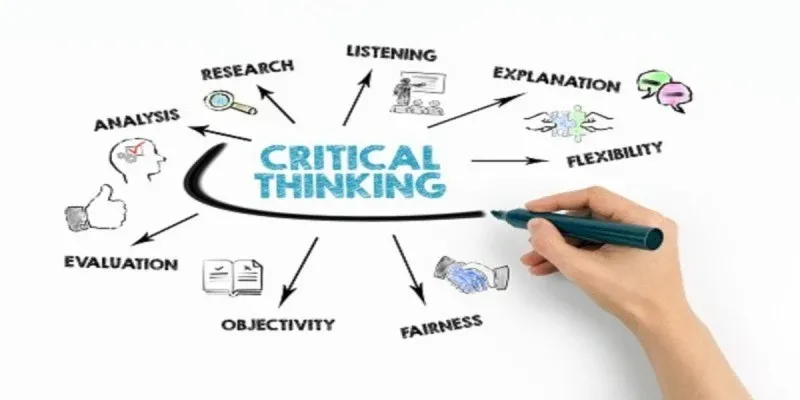
The future of homework lies in quality, intentionality, and relevance rather than total volume. By moving away from repetitive drill work, embracing interactive models like the flipped classroom, personalizing assignments, and respecting student well-being, schools can make after-class learning truly meaningful. Transforming homework into a tool for exploration and critical thinking ensures that learning extends naturally beyond the classroom walls, empowering students to become self-directed, lifelong learners equipped for the modern world
Share on Social Media
Recommended For You




Readers Also Viewed These Articles


Categories
- blog
- Education
- News and Event
- General knowledge